Every AI humanizer sells the same promise. Paste robotic text in, get natural text out. The promise is the same on all the tools. So it becomes difficult to differentiate the accurate one from others as not all tools can humanize accurately.
The real differences are in how each tool handles the rewrite itself: how much control you get over it, how many attempts you get and whether you can tell if it worked.
For this article, we are going to compare Stealth Writer (stealthwriter.io) with StealthWriter. AI, StealthWriter. Co and ZeroGPT.
What Text Humanization Involves?
AI-generated content has a certain watermark. Sentences fall into similar lengths. Connective phrases repeat. The rhythm stays the same, which we don’t see in human writing. Detectors read those patterns and they don’t judge quality. So a good paragraph can still get flagged.
A humanizer's job is to break that pattern without changing the meaning and context.
Those two goals pull in opposite directions, and that tension is the whole story of this category. Therefore, we are going to analyze the result of each tool to know which is actually better.
Why is It Important to Humanize the Content?
When we generate content using AI, it sounds too robotic and generic. Such content doesn’t attract users at all. Even if they start reading, they become bored and leave reading in the middle.
When you humanize the content through an AI humanizer, it converts the generic or robotic words into human sounding text. Other than that, publishing AI content on a website is also risky as Google and other search engines penalize such content. This may also affect your rankings.
Draft Analysis through AI Detectors:
Before moving further, we first need to check the content to know it is flagged as AI generated.
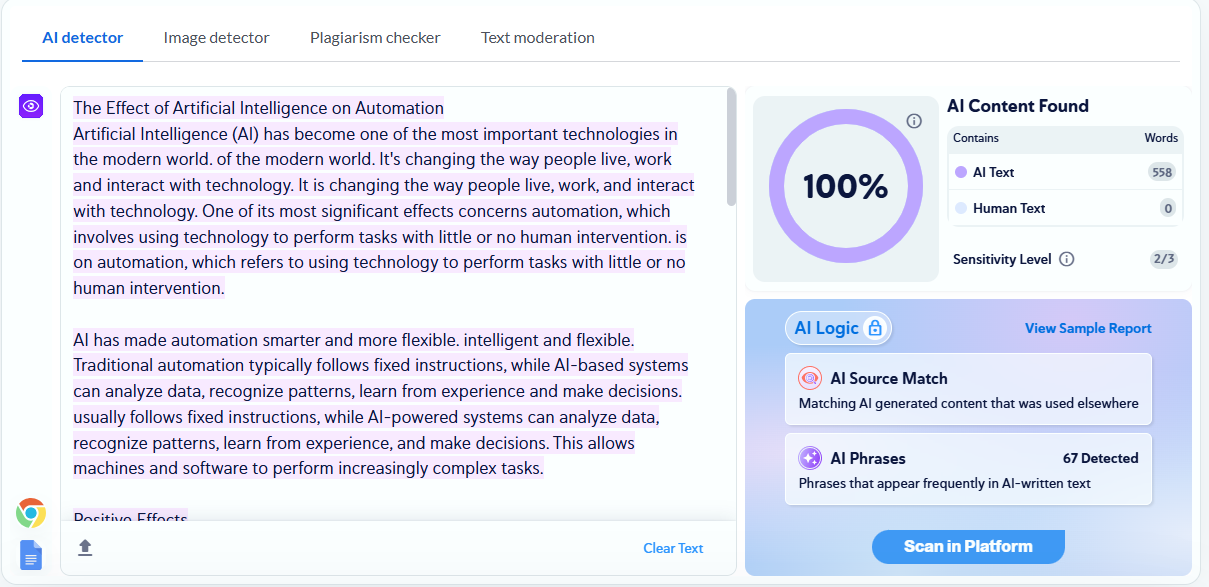
ZeroGPT is the first one. Like Stealth Writer, it not only contains an AI humanizer but also an AI detector and other tools. So let’s first check the AI generated content using its own detector.
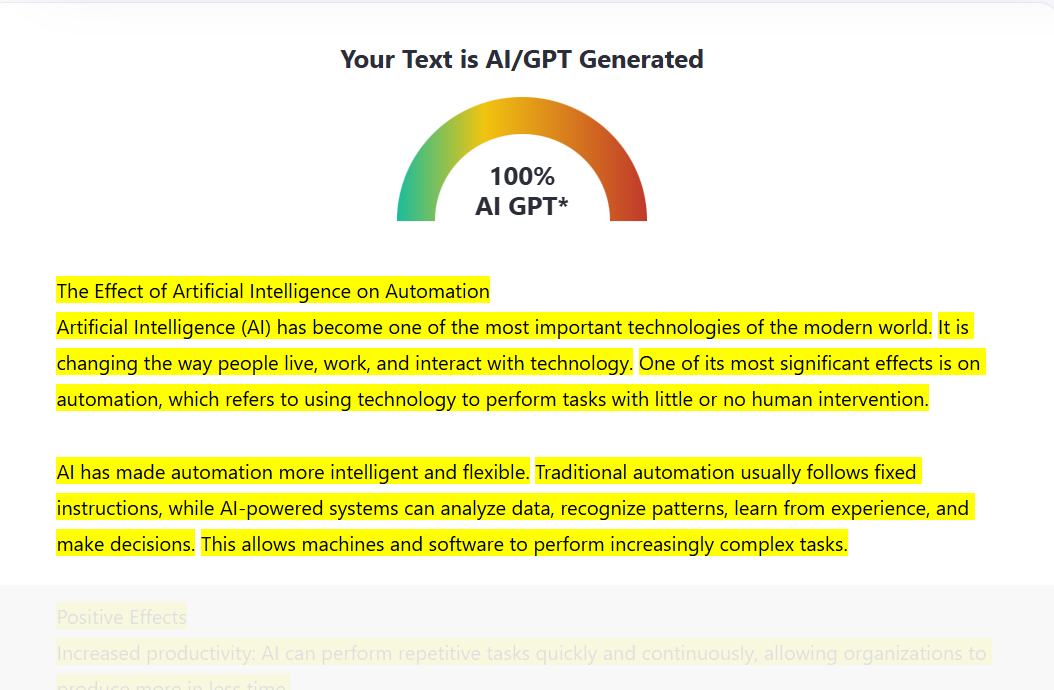
As you can see in the image, it is giving a 100% AI score. This shows that the content is highly AI-generated.
CopyLeaks is another AI detector. We also pasted the content into this tool and the results are:
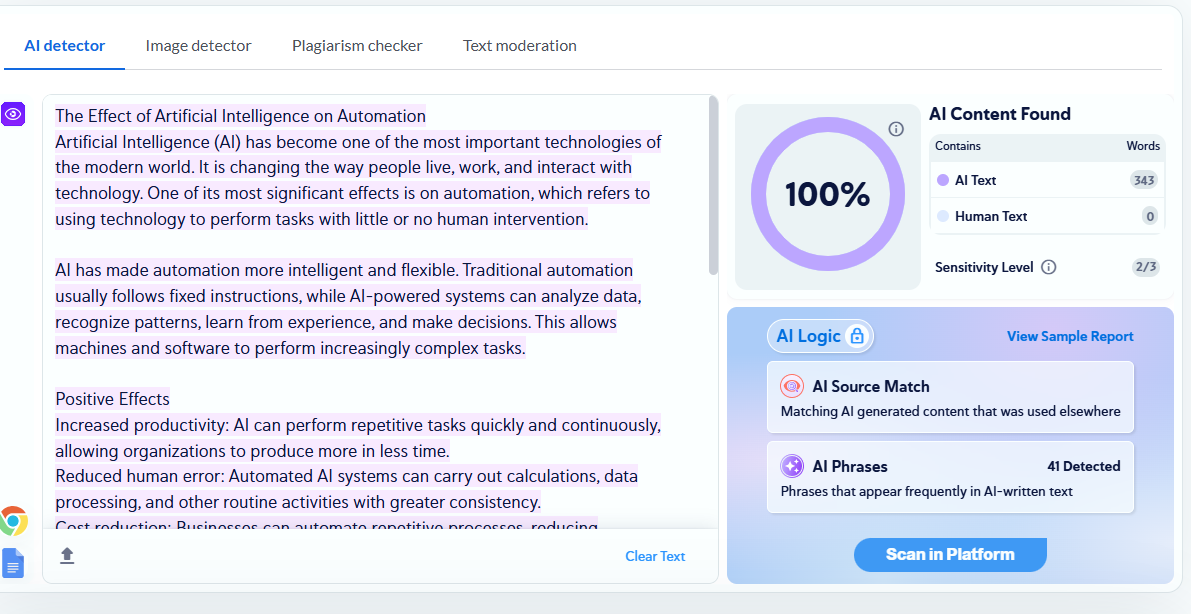
Again, we get a high AI score. Let’s humanize it.
Content Humanization through Different Tools
We searched for various tools and we are going to use those in our analysis.
ZeroGPT
ZeroGPT is the first tool we are going to use for humanization. It's one of the most widely used free detectors on the web. It provides access to other tools like a paraphraser, summariser, grammar checker, translator, and various other tools.
Using its AI humanizer is very easy. You just need to go to the page, paste your content and start humanization.
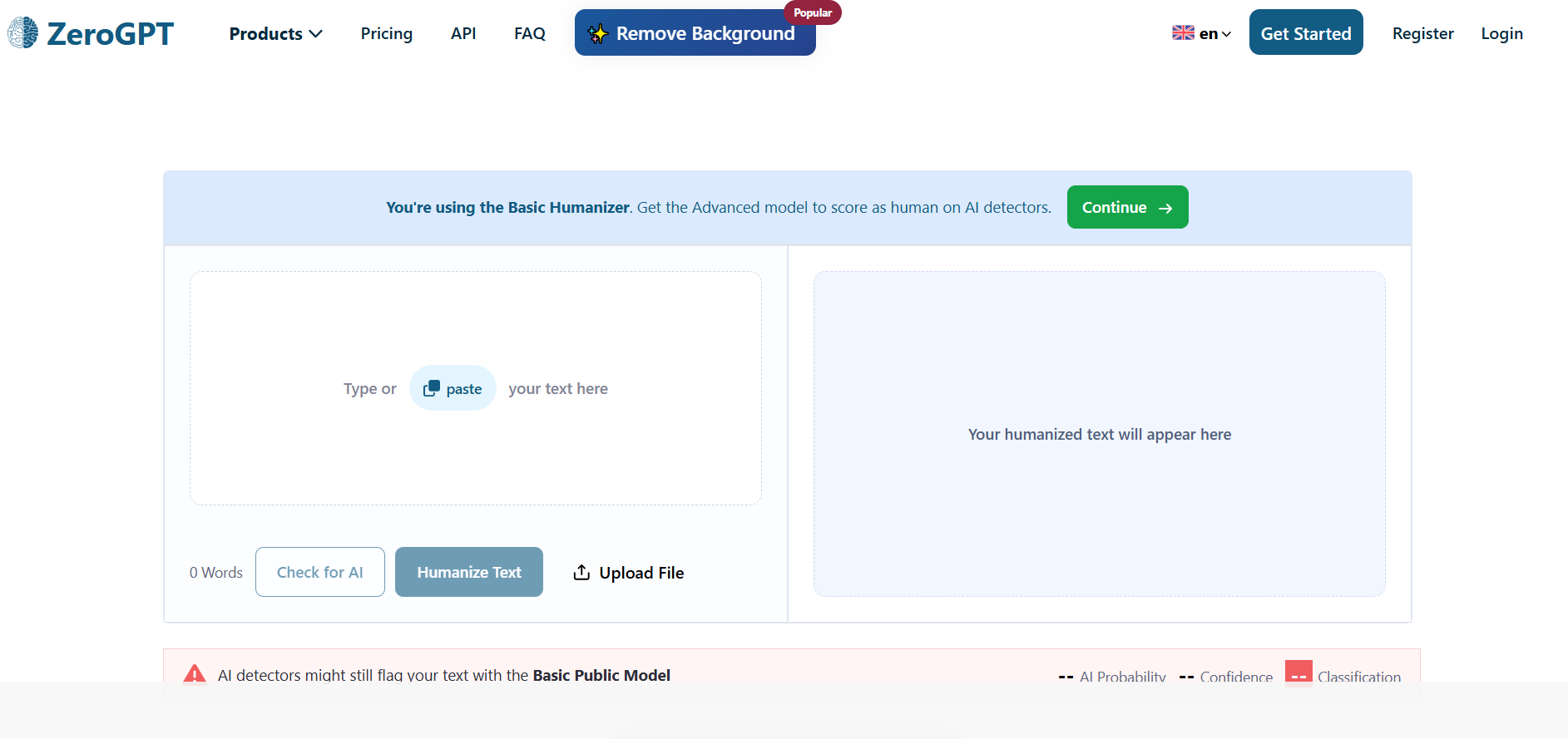
We pasted the content into this tool and got the humanized content in just a few seconds.

Now that we have the humanized content, let’s check whether it can bypass its own detector or not:
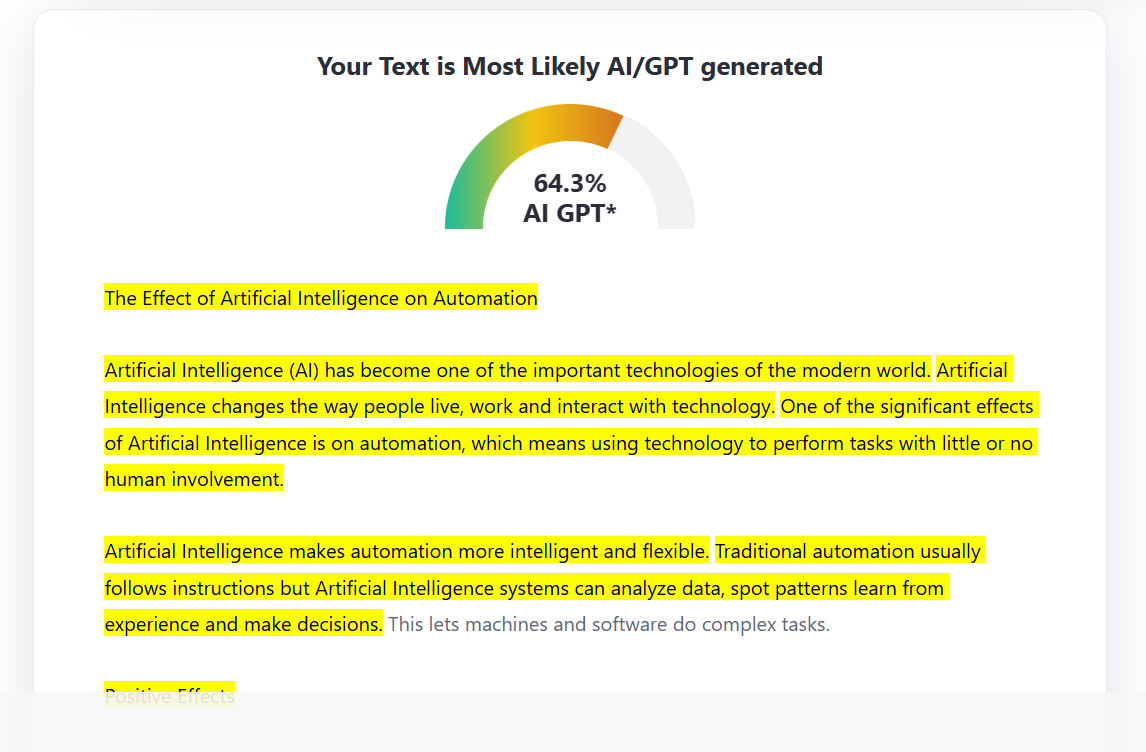
Now let’s check it through CopyLeaks AI detector:
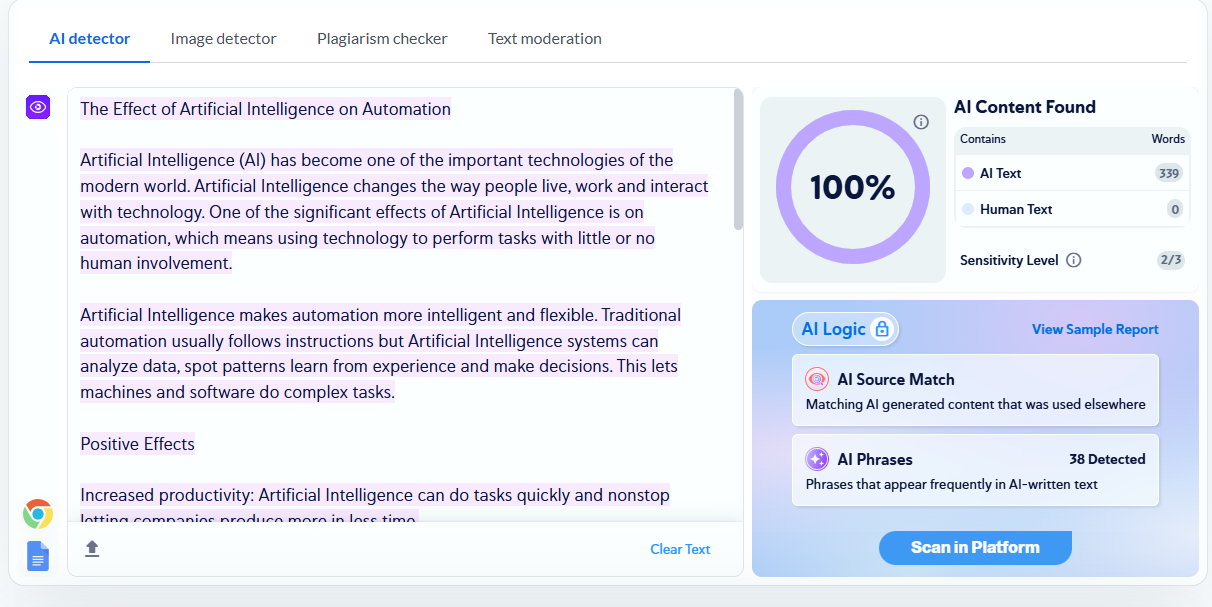
You can see from the above screenshots that this tool was not able to bypass the AI detectors. Let’s move forward to other tools.
Stealth Writer AI
Stealth Writer is an AI humanizer that helps you humanize the content. When you go to this tool, you will see a sign-up page. You can’t humanize your content until you sign up, so this step is important.
After signing up, you will see the following interface:
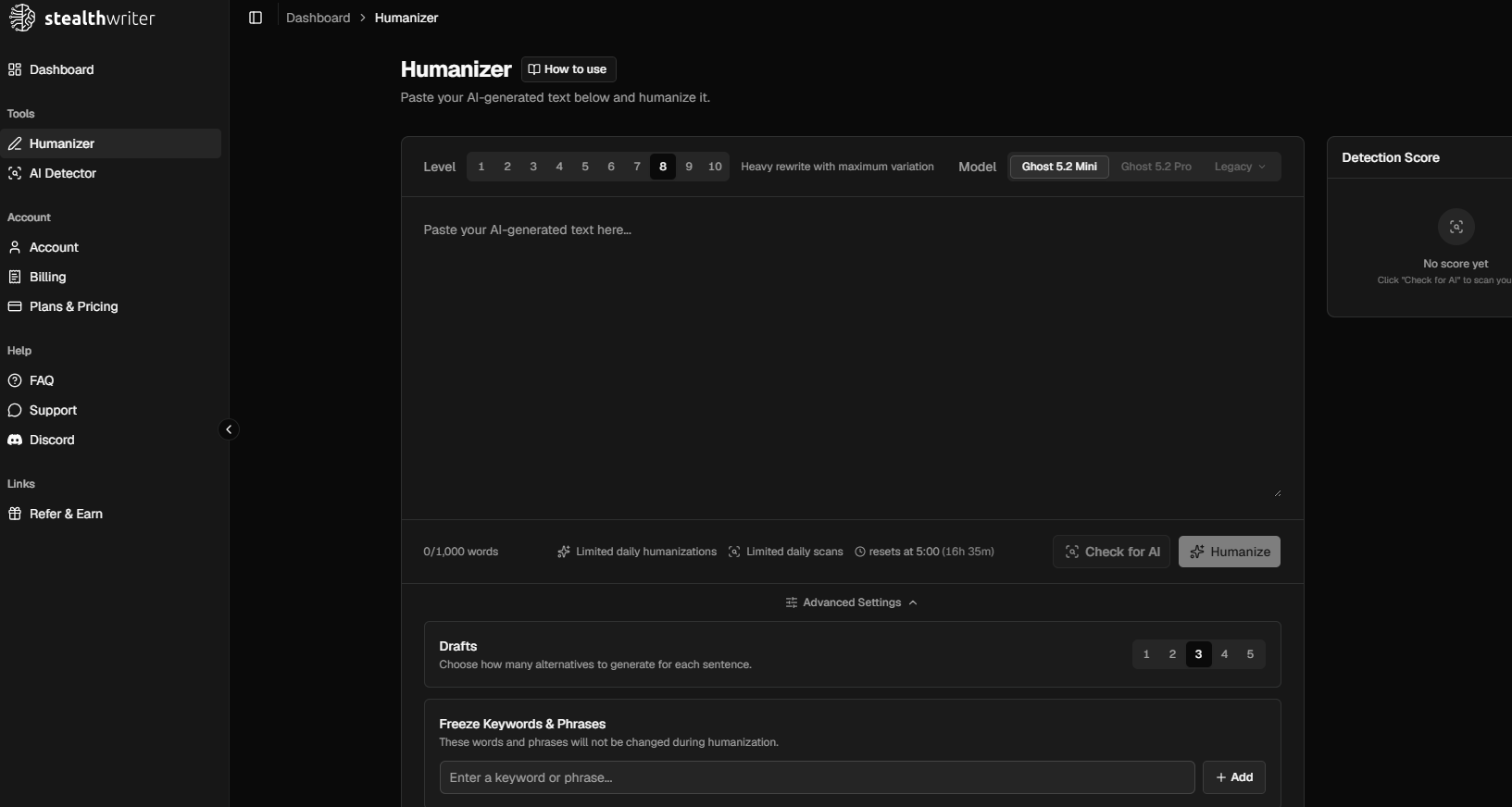
You can see that we have the option to select a level, choose the number of drafts and also freeze the keywords or phrases which will not change when we humanize it. We checked the content through this tool as well and the results are:
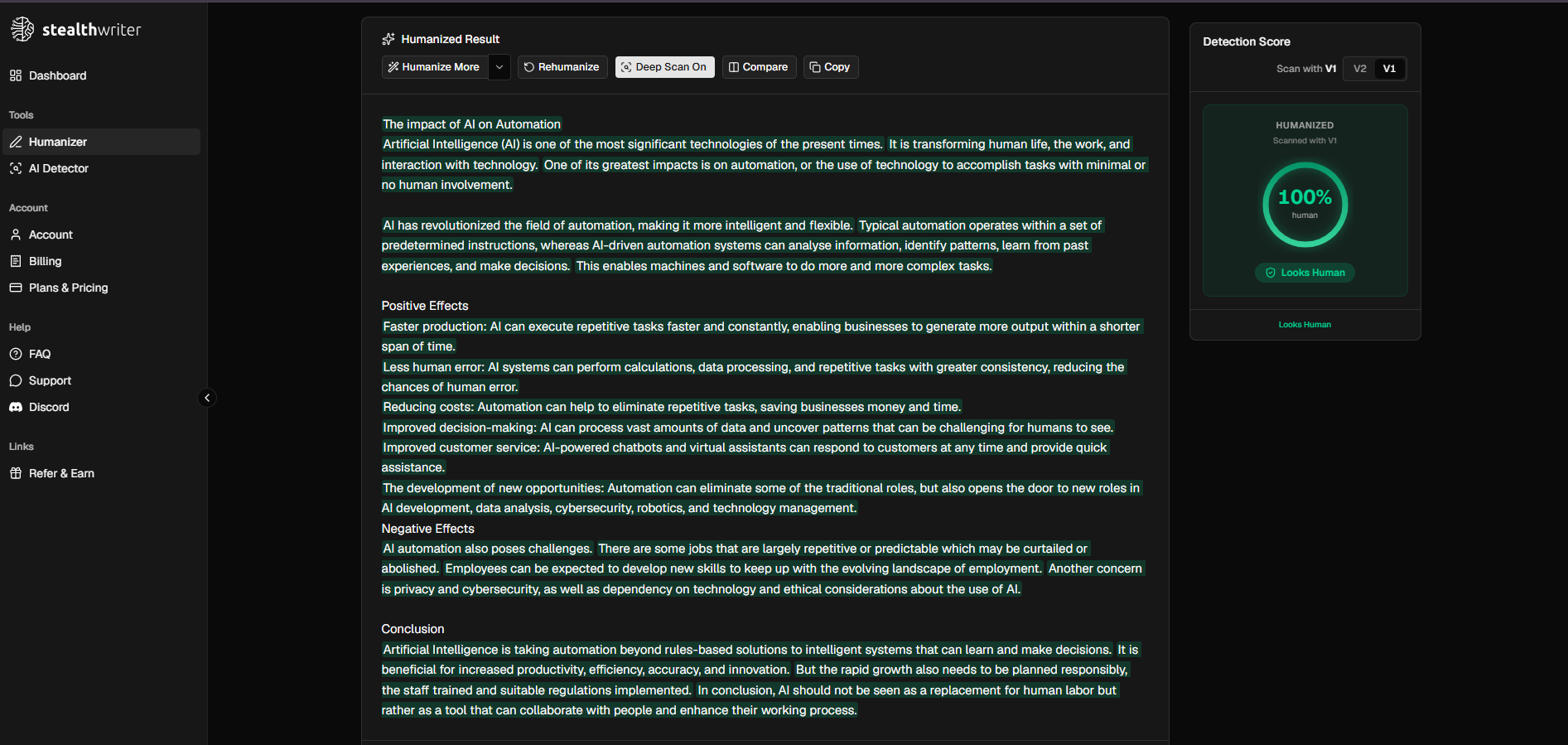
Now let’s check it through the ZeroGPT AI detector and then we will move forward:
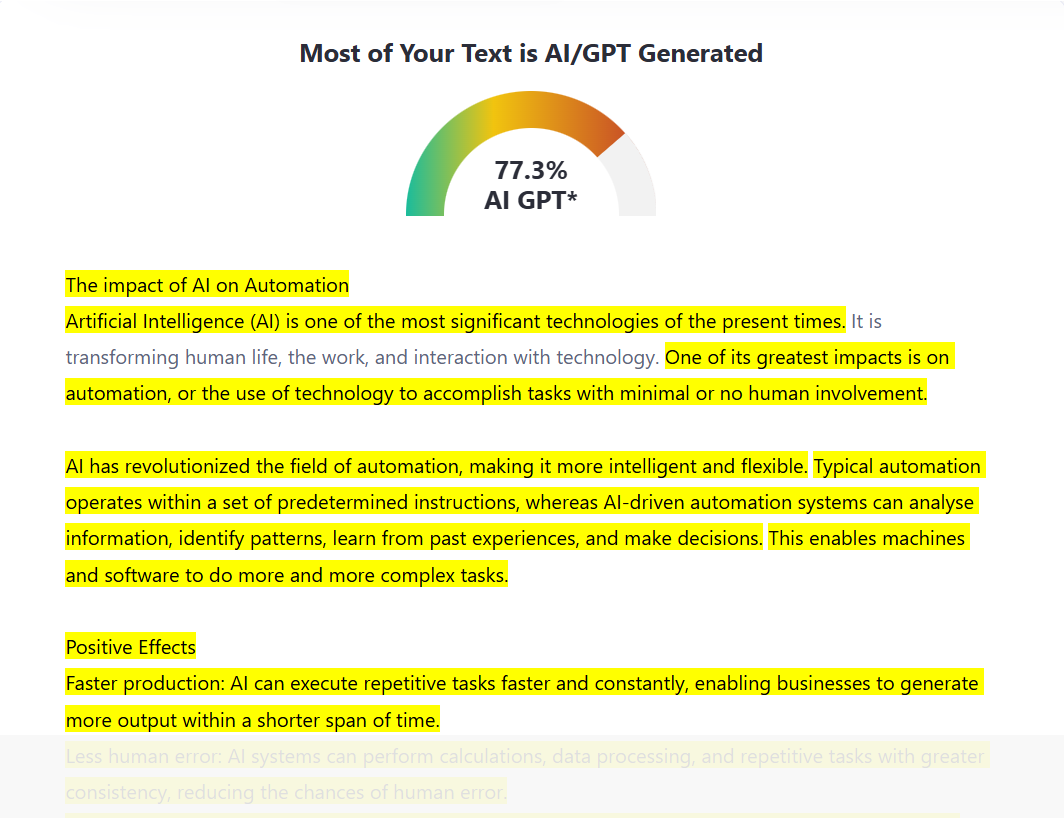
Now let’s analyze this through CopyLeaks:
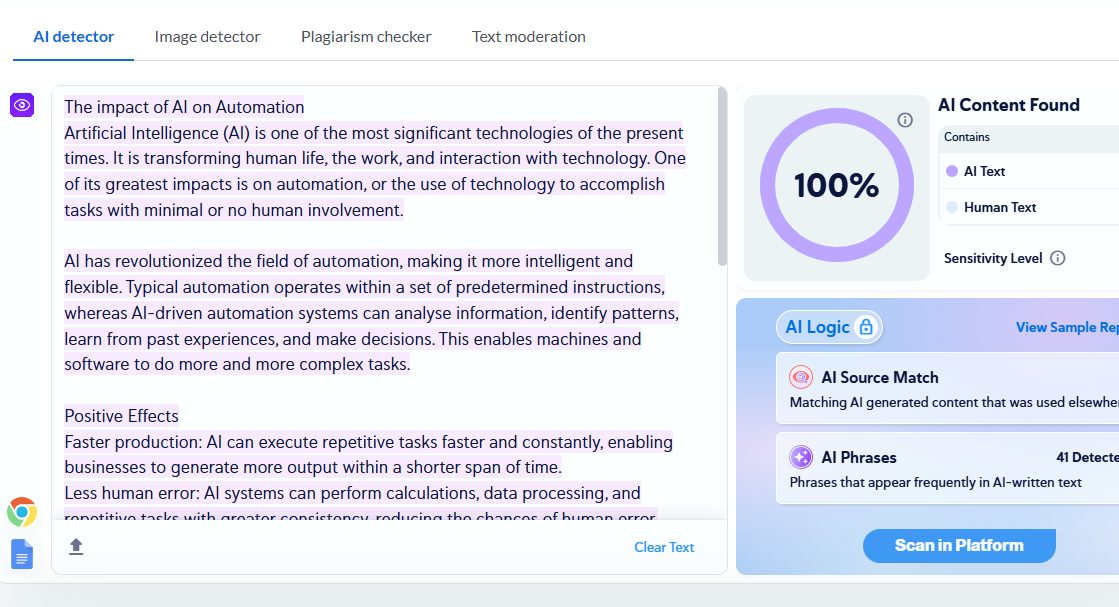
Although this tool provides various features, it can’t bypass AI detectors.
StealthWriter. Co
StealthWriter. Co is another humanizer. We humanized the content using this tool as well:
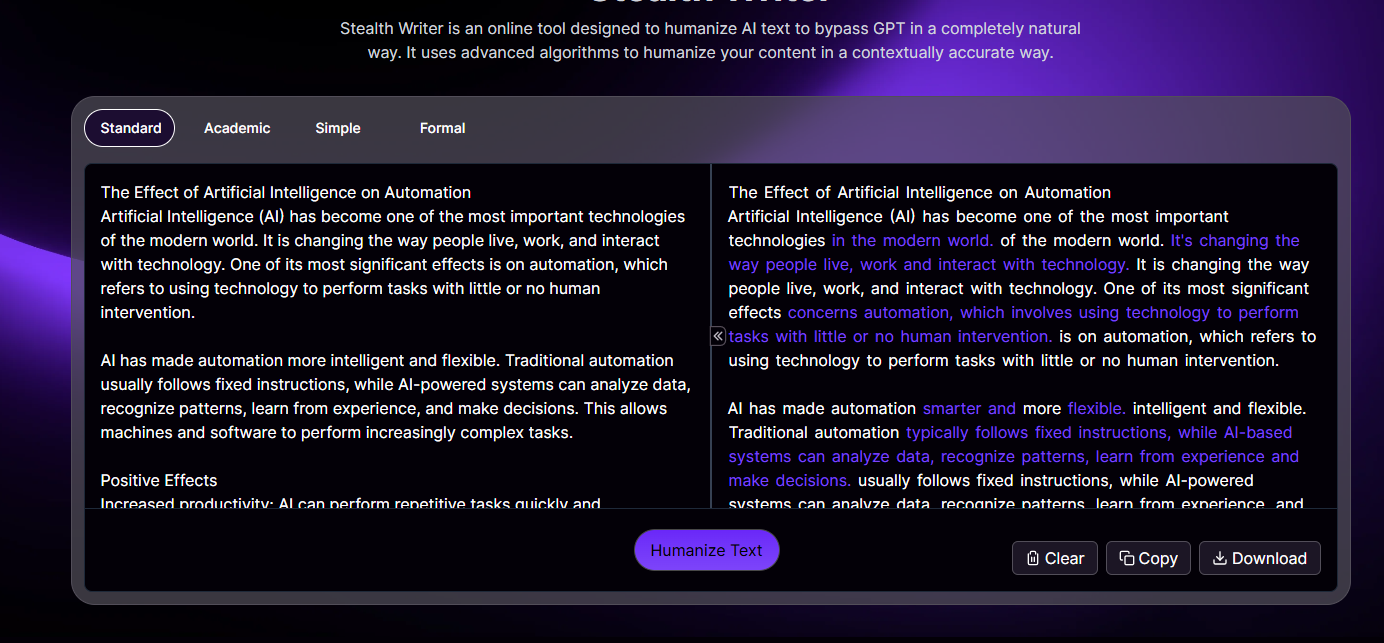
Now let’s check the content through ZeroGPT AI detector:
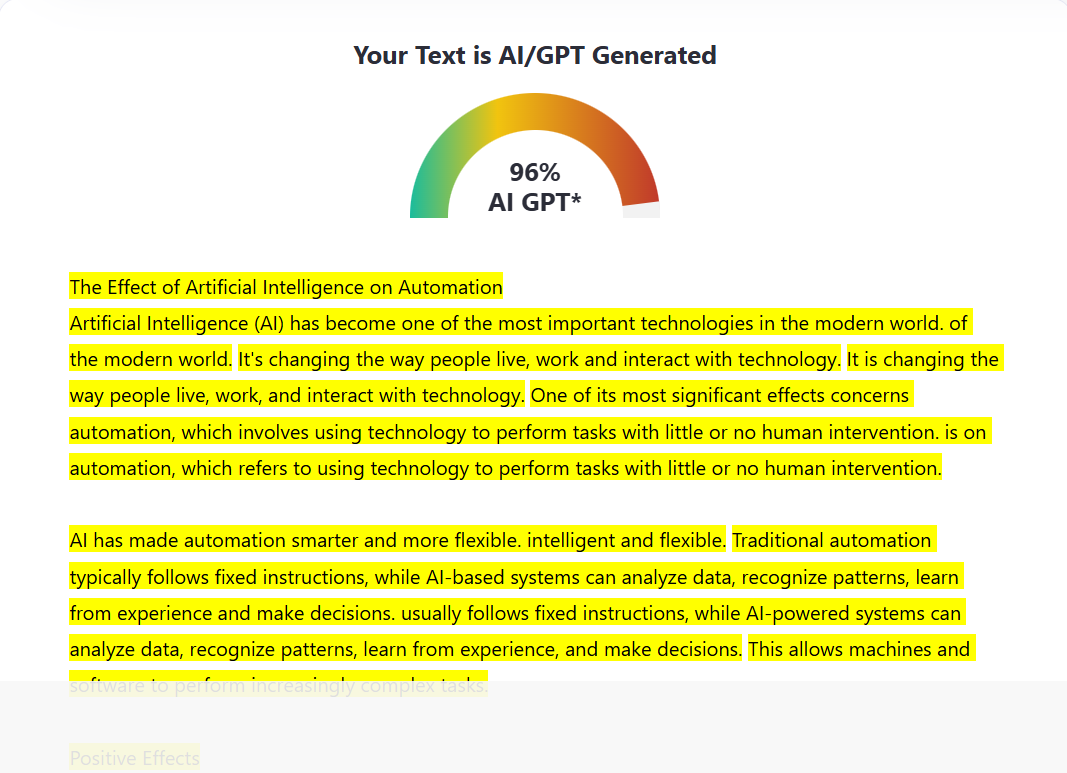
Now with CopyLeaks:
So, these results show that although StealthWriter(.)Co humanizes the content, it still can’t bypass the AI detectors.
Stealth Writer IO
Stealth writer is widely known for its humanizer but it also offers an AI detector and an AI image detector. Its features differentiate it from other humanizers. When you open this tool, you see the following interface:
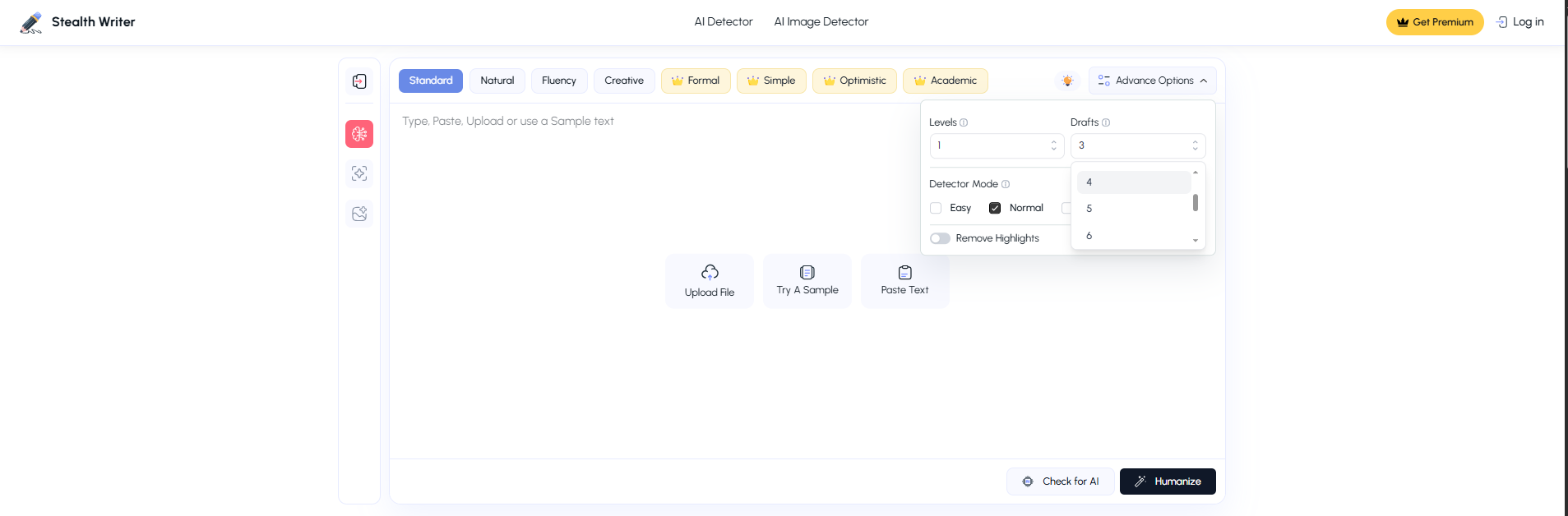
You can see that we have various options to choose from, including different tones, the number of drafts and levels. It really seems like we have got the features of the above AI humanizers in one place.
You just need to know how to use Stealth Writer. Select the tone, level and number of drafts you want and click on “Humanize” to start the humanization process. When you click on that button, you will see the following interface:
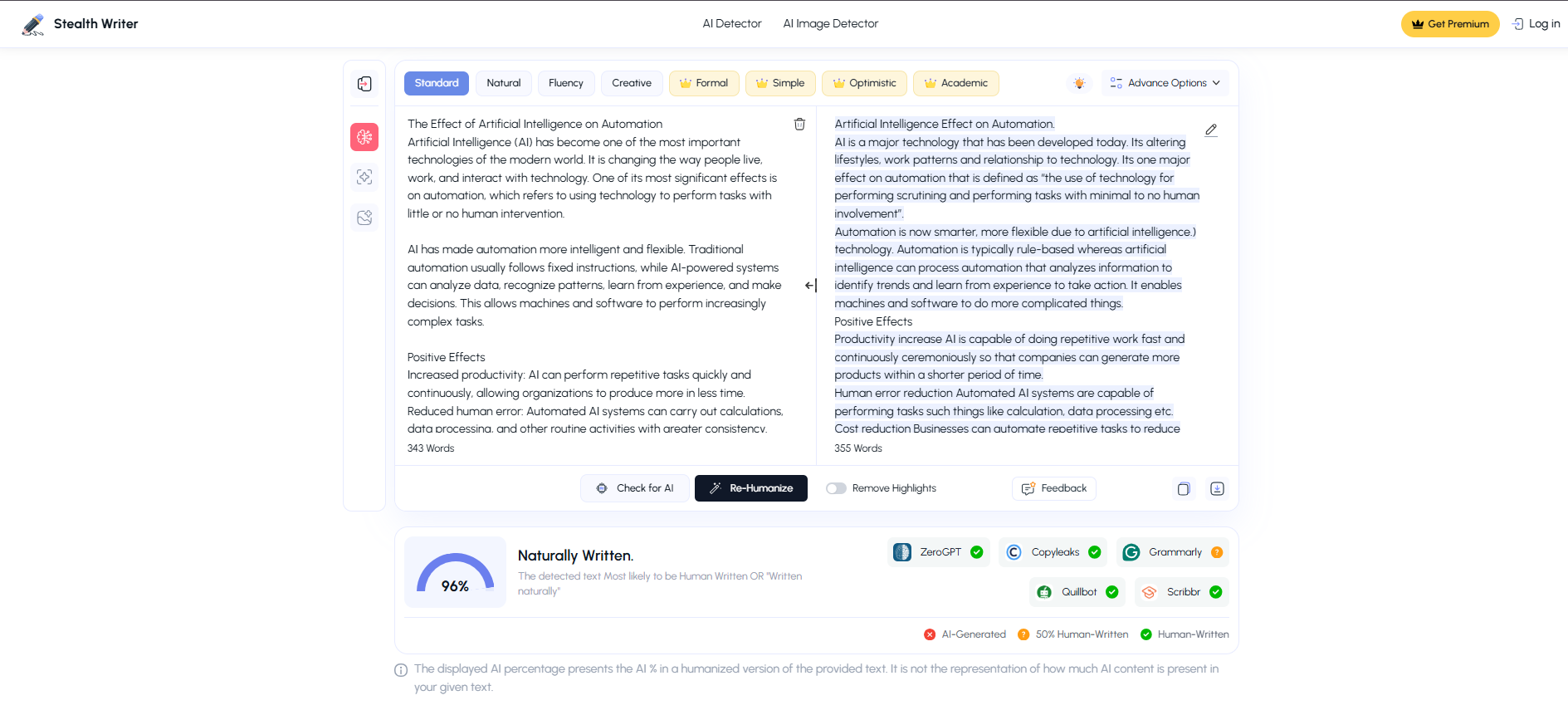
As you can see, we have the humanized content along with the tools that it bypasses. Now let’s check it through ZeroGPT AI detector:
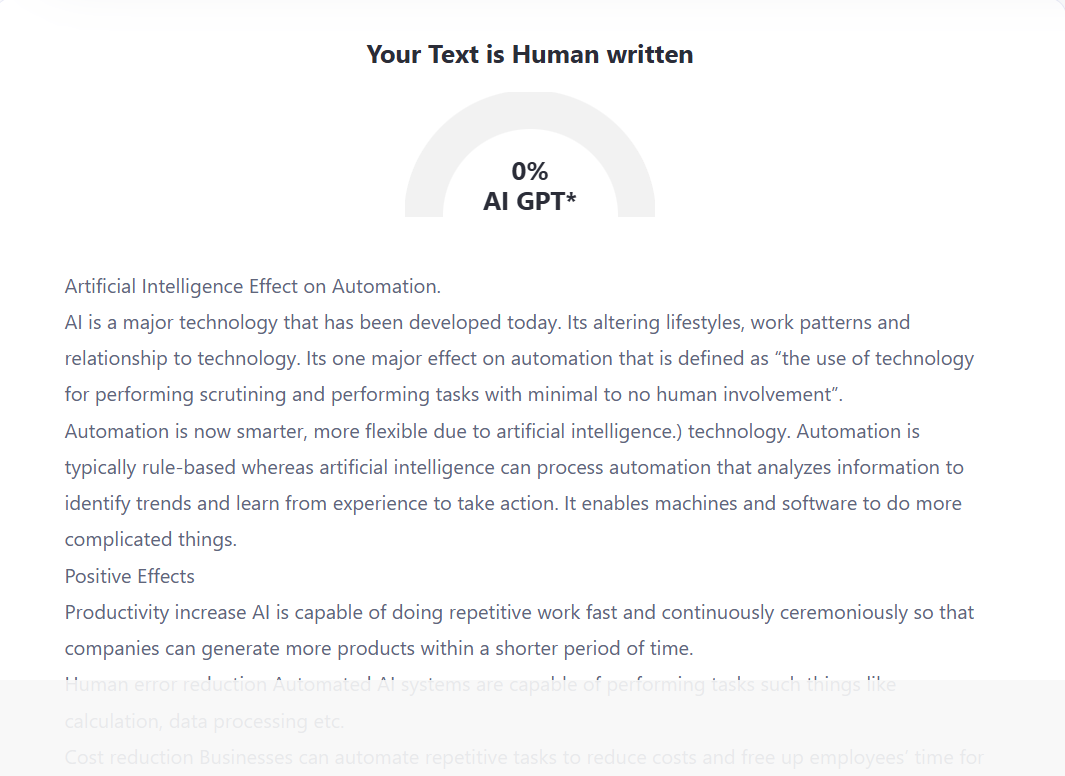
Now let’s check it through CopyLeaks:
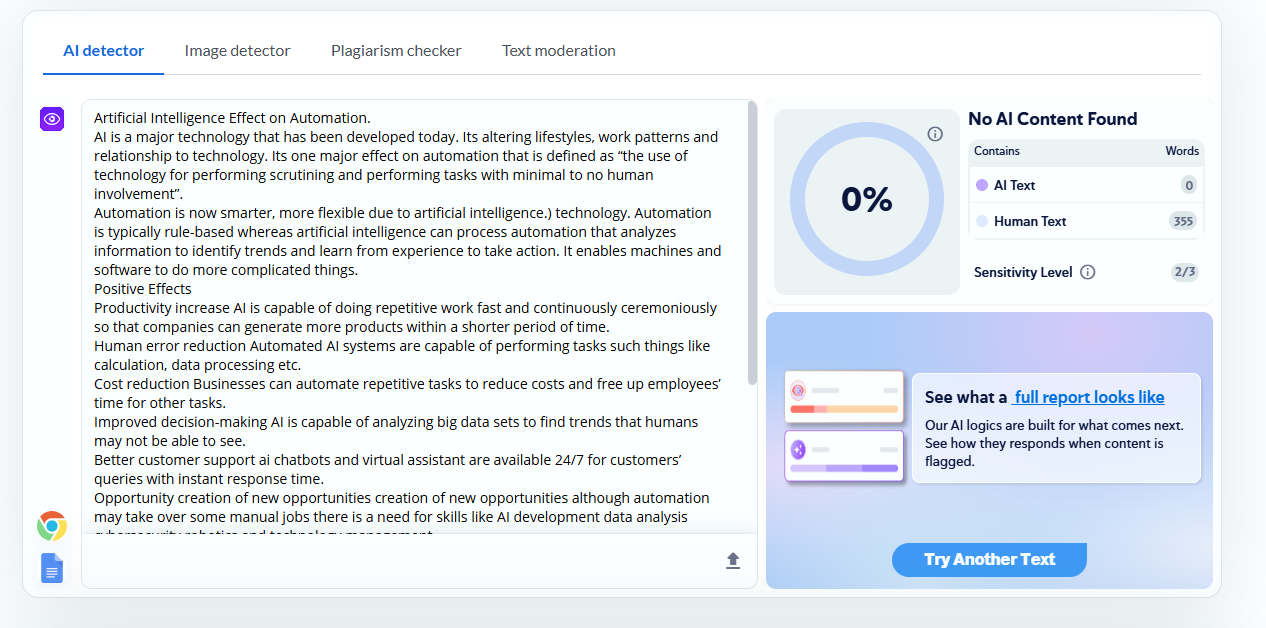
You can see that Stealth Writer io can accurately humanize the content. Beyond that, it also bypasses the AI detectors.
Side by Side Analysis
Stealth Writer IO | Stealth Writer AI | Stealth Writer Co | ZeroGPT | |
Rewrite Method | Humanization with AI detection | Rewriting with sentence repair | Synonym swap | Rewriting |
Levels | 5 Levels | 10 Levels | None | None |
Tone | Multiple tones | Not available | 4 present | Not available |
Drafts | Up to 10 | 5 | 1 draft | 1 draft |
Feedback | Built in detectors up to 5 | Built in detector | None | Built in Detector |
Final Thoughts
None of these tools makes it acceptable to misrepresent who wrote something. Presenting rewritten AI output as your own work breaches academic integrity policies almost everywhere, and can violate client contracts and publisher guidelines.
Detector scores don't change that, and given the false positive rates above, they aren't reliable evidence of anything either way.
The legitimate uses are real and they're what these tools are actually good at: turning AI drafts into text people want to read, clearing false flags on work you genuinely wrote, and adapting tone for different audiences.
Disclose AI assistance where it's expected. The tool does the rewriting; the responsibility stays with whoever publishes it.
FAQs
What is the difference between an AI humanizer and a paraphrasing tool?
A paraphrasing tool mainly rewords sentences to say the same thing differently. A paraphraser swaps words or restructures phrases. An AI humanizer goes a step further. It changes sentence length, rhythm and flow. So the text reads more like natural human writing.
Which humanization level should I choose in Stealth Writer?
Lower levels make lighter edits and keep the text closer to the original. It is useful for technical, legal or keyword-sensitive content. Higher levels rewrite more aggressively. It improves natural flow but can shift wording further from your draft. Start at a moderate level. Compare the drafts and adjust from there.
Why does generating multiple drafts matter?
Each draft is a different rewrite of the same text. So some will read better or keep your meaning more accurately than others. Having several options lets you choose the strongest version or combine the best sentences from different drafts.
Can humanized text still be flagged by other AI detectors?
It can. Every detector uses its own model and scoring method. So text that passes one tool may score differently on another. Detectors are also updated regularly. Thus results can change over time even for the same text.
Is humanized content free from plagiarism?
Humanizing changes how text is written. But it doesn't guarantee originality. If the source draft closely mirrors existing content online. The rewritten version may still resemble it. However it would be great if you run a separate plagiarism check before publishing.
Will humanizing change the meaning of my content?
Yes, it can. Especially at higher rewriting levels. It can change statistics, quotes, definitions and specialized terms. You need to compare the output with your original draft, particularly in sections where precision matters.